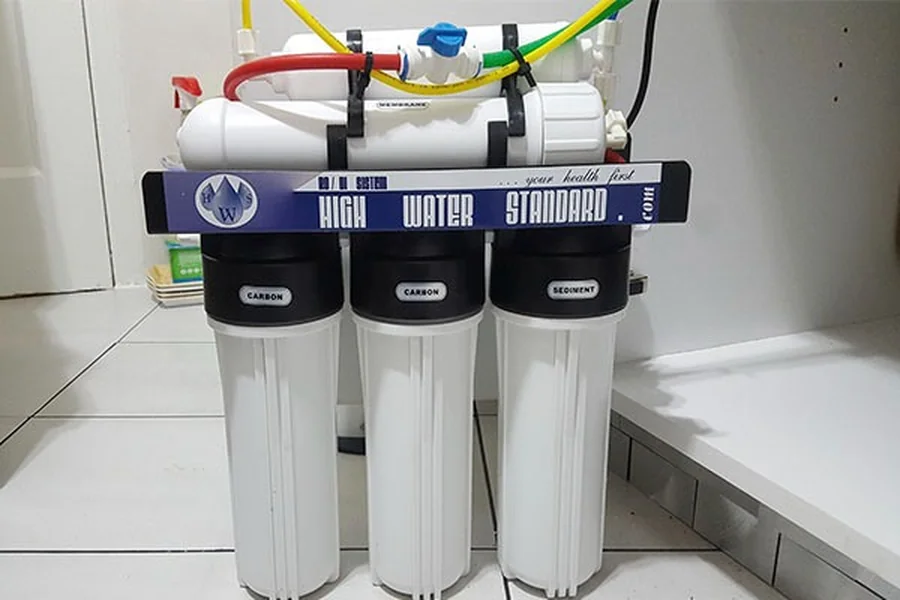
Among all the solutions applied to providing clean and pure drinking water at home, the most efficient solution is a reverse osmosis filter. Due to the growing concern for water quality, as well as the presence of unwanted salts in domestic water supplies, most homeowners today employ the reverse osmosis system as a solution to upgrade drinking water.
But how do the filters work, and do they really block the undesirable salts in your water? Let us understand the answer related to the reverse osmosis process.
Understanding Salts in Drinking Water
You should know what those so-called unwanted salts are and why they are unwanted, to discuss how reverse osmosis filters eliminate salts. While nothing is wrong with some of these minerals in small quantities, there are undesirable consequences when they are taken up in large quantities in the human body and domestic appliances.
For sick individuals, like those with high blood pressure, water with excess sodium is a major issue. Excess minerals in hard water also led to the scaling of pipes, faucets, and appliances, rendering them less effective and shorter service lives.
What is Reverse Osmosis Technology?
The filter in reverse osmosis is founded on the pressure principle that forces water to pass through a semi-permeable membrane. The semi-permeable membrane permits water molecules only and keeps out larger molecules such as dissolved salt, heavy metals, and other contaminants. The rejected compounds are flushed out in the form of waste while the purified water remains and is ingested.
Is Reverse Osmosis Capable of Removing Unwanted Salts?
The response is yes. A reverse osmosis filter will eliminate 95-99% of dissolved salt from drinking water. All the general salts, such as sodium chloride, sulfates, nitrates, etc. Reverse osmosis will eliminate such dissolved solids because reverse osmosis is one of the best and most efficient methods of water purification.
Unlike other water softeners, which can only take out calcium and magnesium, reverse osmosis units eliminate much more of the dissolved impurities. Salts are not the only component that gets stripped away; toxic chemicals such as lead, arsenic, fluoride, pesticides, and bacteria get stripped away, too. Its multi-stage treatment will not only leave your drinking water salt-free but also reduce other health threats.
Other Advantages of Reverse Osmosis Systems
In addition to flushing out excess salts, reverse osmosis offers many benefits. It enhances the purity of the water, and the semi-permeable membranes are also known to improve the flavor of the drinking water. It is also helpful in eliminating chlorine, organic chemicals, and other impurities, making the water drinkable and pleasant to use for cooking.
The second important benefit is cost-effectiveness. Bottled water will always remain the choice for the majority since tap water is not of good quality, which is not only more expensive in the long term but also goes bad.
Homeowners who install a reverse osmosis filter also enjoy the convenience of having purified water available on demand. Whether it is for drinking, cooking, or filling water bottles, you will no longer need to rely on external water sources or frequent trips to the store.
Conclusion
In brief, a reverse osmosis filter can filter out undesired salts from drinking water and provide one of the best purifying systems for maintaining water sanitation for household purposes.
With the aid of support from top-notch membrane technology, reverse osmosis systems can strip out up to 99% of dissolved salts and other toxic impurities, so your water will be pure, clean, and safe.