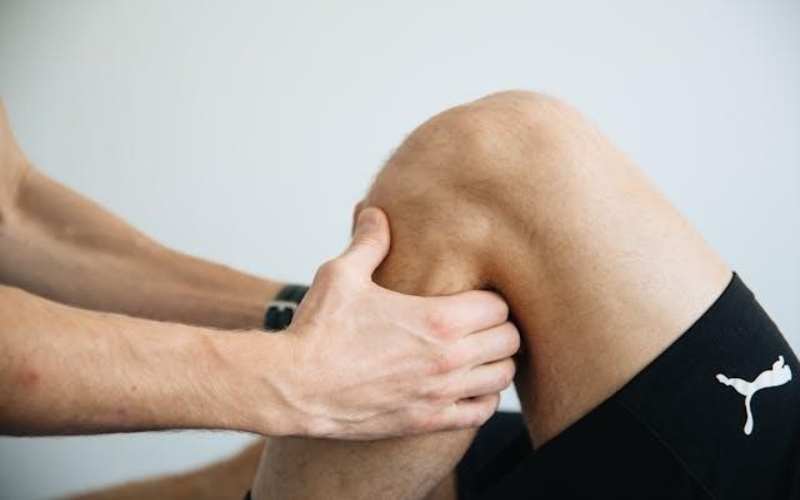
Introduction
Ligaments play a crucial role in stabilizing joints by connecting bones together. When they get injured—through sprains, strains, or tears—it can be painful and debilitating. Healing ligaments often takes time, but there are natural ways to speed up recovery. By combining the right nutrients, lifestyle changes, and holistic remedies, you can support your body’s healing process effectively.
In this guide, we’ll explore various methods to heal ligaments naturally, emphasizing diet, herbal treatments, lifestyle modifications, and more. Whether you’re recovering from a sports injury or dealing with everyday wear and tear, these approaches can help reduce pain, strengthen ligaments, and get you back to optimal health faster.
Understanding Ligament Injuries
Before diving into how to heal ligaments naturally, it’s important to understand what they are and how they get injured. Ligaments are fibrous connective tissues that connect bones at joints. They are responsible for maintaining the stability of the joints, allowing for movement while preventing dislocations.
Injuries occur when ligaments are overstretched or torn, often as a result of sudden movements, falls, or impacts. Common ligament injuries include:
- Ankle Sprains: A twist or roll of the ankle leading to overstretching or tearing of the ankle ligaments.
- Knee Ligament Injuries: The ACL (anterior cruciate ligament) and MCL (medial collateral ligament) are commonly injured in sports or physical activities.
- Wrist Sprains: Often due to a fall on an outstretched hand, leading to overstretching of the wrist ligaments.
Healing ligament injuries can take weeks to months, depending on the severity of the damage. Natural remedies can help reduce inflammation, relieve pain, and promote faster recovery.
1. Optimize Nutrition for Ligament Healing
The body requires certain nutrients to heal ligaments faster. Ensuring you’re consuming the right foods can speed up recovery time.
Collagen-Rich Foods
Collagen is the main structural protein found in ligaments, and eating collagen-rich foods can boost your body’s ability to repair ligaments. Foods like bone broth, chicken skin, fish, and gelatin contain high amounts of collagen.
You can also opt for collagen powder UK supplements, which provide essential amino acids like proline and glycine—key components in the regeneration of connective tissue.
Vitamin C
Vitamin C plays a vital role in collagen production. This antioxidant helps reduce inflammation and accelerates the healing of damaged tissues. Eat plenty of vitamin C-rich foods, such as oranges, bell peppers, strawberries, and kale, to support ligament repair.
Omega-3 Fatty Acids
Omega-3 fatty acids help reduce inflammation and support tissue healing. They can be found in foods like salmon, flaxseeds, chia seeds, and walnuts. Supplementing with fish oil can also be beneficial.
Zinc
Zinc is essential for tissue repair and immune function, making it a key nutrient for ligament healing. Zinc-rich foods include beef, pumpkin seeds, spinach, and oysters.
Protein
Protein is fundamental to the body’s ability to repair muscle and connective tissue. Ensure you’re eating lean protein sources like chicken, turkey, fish, eggs, and plant-based options such as lentils and quinoa.
2. Incorporate Herbal Remedies
Herbal remedies can offer a natural approach to reducing pain and inflammation, helping ligaments heal faster. Some herbs have been used for centuries to support joint and ligament health.
Turmeric
Turmeric contains curcumin, a compound with powerful anti-inflammatory properties. It can help reduce swelling and pain associated with ligament injuries. You can add turmeric to your diet or take it as a supplement.
Ginger
Ginger has anti-inflammatory and antioxidant properties that can help reduce pain and swelling. You can consume it as a tea, add it to meals, or take it in supplement form.
Arnica
Arnica is a well-known herb for reducing pain, swelling, and bruising. It’s often used topically as a cream or gel for ligament injuries.
Boswellia
Boswellia, also known as Indian frankincense, is another herb with anti-inflammatory benefits. It’s particularly effective for joint health and can help speed up the recovery of ligament injuries.
Dimmak Herbs for Ligament Healing
If you’re looking for effective, natural solutions to accelerate ligament recovery, Dimmak Herbs offers a range of herbal remedies that may help. With a focus on holistic healing, Dimmak Herbs provides natural products tailored to support connective tissue health. Their formulations may include powerful herbs like turmeric, ginger, and boswellia, specifically chosen to reduce inflammation and promote healing. Incorporating such remedies into your recovery routine can enhance your body’s natural ability to heal and provide pain relief without the side effects of conventional medications.
3. Stay Active with Gentle Movement
While resting is essential after a ligament injury, incorporating gentle movement and physical therapy can aid the recovery process by increasing blood flow to the injured area. The key is to avoid overloading the joint, but also not to remain completely immobile, as movement helps prevent stiffness and maintain strength.
Stretching
Once the initial swelling subsides, light stretching can help maintain flexibility around the injured ligament. Start with simple stretches and gradually increase the intensity as you heal. Focus on slow, controlled movements to avoid further injury.
Strengthening Exercises
Incorporating strength training exercises can help restore stability to the injured ligament. Strengthening muscles around the joint, such as the quadriceps for knee injuries, can prevent re-injury and promote faster healing. Resistance bands or light weights are excellent tools for gentle strengthening.
Yoga and Pilates
Practicing yoga or Pilates can help improve flexibility and strength without putting too much strain on the injured ligament. These exercises focus on balance and controlled movements, making them ideal for recovery.
Swimming
Swimming is a low-impact exercise that allows you to move without putting excessive stress on your ligaments. The buoyancy of water supports the body, enabling you to maintain movement while minimizing the risk of injury.
4. Use Cold and Heat Therapy
Cold and heat therapy are simple yet effective ways to manage pain and inflammation from ligament injuries.
Cold Therapy (Cryotherapy)
Applying ice or a cold pack to the injured area can reduce swelling and numb pain, especially in the first 48 hours following an injury. Cold therapy helps constrict blood vessels, reducing inflammation and preventing further damage.
Heat Therapy
After the initial swelling has gone down, applying heat can increase blood flow and promote healing. Heat helps relax muscles and ligaments, making it easier to move the affected joint. Use a warm towel or heating pad for 15-20 minutes at a time to encourage recovery.
5. Get Adequate Rest and Sleep
Sleep is when the body does most of its repair work. Without adequate rest, your ligaments won’t heal as quickly. Ensure you’re getting enough quality sleep each night, as this is crucial for tissue regeneration. Aim for at least 7-8 hours of sleep, and consider taking naps during the day if you feel fatigued.
Resting the injured ligament is also key to recovery. While you can incorporate gentle movement, avoid activities that put too much strain on the injured area. Gradually return to full activity only after the ligament has fully healed.
6. Massage Therapy
Massage therapy can improve circulation to the injured area, which helps speed up the healing process. A professional massage therapist can work on the surrounding muscles to reduce stiffness and improve flexibility without directly aggravating the ligament.
In some cases, specific techniques like myofascial release or sports massage can help alleviate pain and encourage recovery.
Conclusion
Healing ligaments faster naturally requires a combination of proper nutrition, herbal remedies, gentle movement, and rest. By incorporating collagen-rich foods, vitamins, and anti-inflammatory herbs like turmeric and ginger, you can promote faster recovery and reduce pain. Gentle exercises, massage therapy, and the right use of cold and heat therapy can further support the healing process.