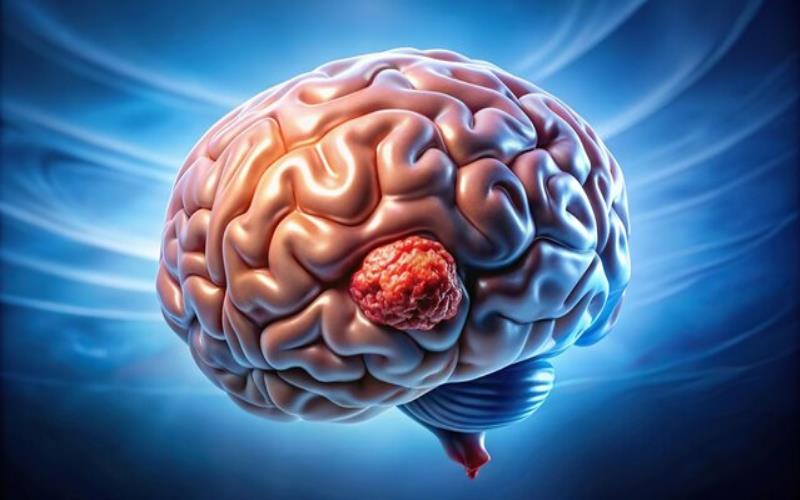
Promising Advancements in Brain Tumor Research
Introduction to Brain Tumor Research
Brain tumors represent some of the most complex and challenging conditions in modern medicine, necessitating a relentless pursuit of research and innovation. The significance of advancements in this domain cannot be overstated as they hold promise for enhancing treatment efficacy and boosting patient survival rates. Numerous organizations, driven by the objective of accelerating progress, have dedicated substantial resources to this noble cause. Supporting the best Glioblastoma charity can accelerate research efforts, creating a ripple effect that fosters hope and healing on a global scale. As the boundaries of research continue to expand, there is optimism that more effective treatments will surface, ultimately improving the quality of life for patients worldwide.
Cutting-Edge Research Techniques
Innovative research techniques are reshaping how scientists approach brain tumors. Cutting-edge methodologies, such as CRISPR gene-editing technology and advanced imaging techniques, have taken center stage. CRISPR allows researchers to edit genes with remarkable precision, offering insights into tumor biology and the underlying mechanisms driving cancer progression. Similarly, state-of-the-art imaging techniques are providing an unprecedented view into the structure and behavior of tumors. The combination of these technologies enables researchers to tailor treatment plans with higher precision and efficacy. These advancements are paving the way for novel therapeutic approaches that could potentially revolutionize the existing standard of care for brain tumor patients.
Breakthroughs in Treatment Options
The realm of treatment options for brain tumors is experiencing a paradigm shift driven by revolutionary advancements. Among the most promising are targeted therapies and immunotherapies. Targeted medicines attack cancer cells while preserving healthy tissue by concentrating on particular genetic abnormalities found within malignancies. On the other hand, immunotherapies aim to empower the body’s immune system to effectively recognize and eliminate cancer cells. According to recent health studies, these innovative treatments are demonstrating notable success in clinical settings. They provide hope for patients who have exhausted conventional treatment avenues, offering a new lease on life with fewer side effects and improved outcomes.
The Role of Genetics in Brain Tumor Research
Genetic research is at the forefront of brain tumor research, playing a pivotal role in decoding the complexities of these malignancies. By analyzing the genetic makeup of tumors, researchers can identify mutations that drive cancer growth. This information is essential for creating individualized treatment plans that take into account each patient’s particular genetic makeup. The growing availability and affordability of genomic sequencing have made it possible to integrate genetic data into clinical practice, significantly influencing treatment approaches. As genetic research progresses, it holds the potential to transform brain tumor management, enabling more precise and effective interventions for patients worldwide.
Exciting Trials and Studies
The advancement of brain tumor research is heavily reliant on clinical trials and studies exploring novel therapeutic avenues. Exciting developments continue to emerge, shedding light on innovative drug trials that hold promise for treating aggressive cancers like glioblastoma. These trials serve as testing grounds for new therapies, offering insights into their safety and efficacy. Recent reports from medical news highlight the significance of these trials in uncovering breakthrough discoveries. By participating in clinical trials, patients not only gain access to cutting-edge treatments but also contribute to advancing scientific knowledge and potentially improving outcomes for future generations.
Ethical Considerations in Research
As the methodologies employed in brain tumor research evolve, maintaining ethical standards becomes paramount. Researchers must navigate a delicate balance between innovation and ethical responsibility. Critical issues, such as obtaining informed consent and ensuring data privacy, remain at the forefront of ethical considerations. As medical advancements continue to push boundaries, addressing these ethical challenges is essential to safeguard patient rights and maintain trust between researchers and participants. By upholding ethical standards, the scientific community can ensure that the fruits of research are shared equitably, benefiting all stakeholders involved in the fight against brain tumors.
Patient Perspectives
Patient perspectives offer invaluable insights into the real-life impact of research advancements. Individuals who participate in clinical trials or receive experimental treatments provide firsthand accounts of their experiences. These narratives not only humanize the scientific advances but also underscore the hope that innovative therapies bring to those facing life-threatening diagnoses. Patient testimonials serve as powerful reminders of the transformative impact that cutting-edge research can have on individual lives. They highlight the strides being made in the field of brain tumor research, inspiring continued investment and dedication to achieving better outcomes for patients.
The Future of Brain Tumor Research
The future of brain tumor research is filled with promise and potential breakthroughs that could dramatically alter the landscape of cancer care. As technology continues to advance, new methodologies and discoveries are expected to emerge, offering fresh insights into the molecular underpinnings of brain tumors. The goal remains steadfast: to develop more effective treatments that improve patient survival and quality of life. With sustained dedication and support from the research community and charitable organizations, the path forward holds the potential for significant advancements. These advancements offer hope to patients and families affected by brain tumors, paving the way for a brighter future in cancer care.
As we look ahead, collaboration across disciplines will be key to accelerating progress. Researchers, clinicians, and innovators are working together to harness the power of artificial intelligence, personalized medicine, and novel therapeutic approaches. This collective effort aims to overcome the complex challenges posed by brain tumors, offering new avenues for early detection, more precise treatments, and, ultimately, improved patient outcomes. With each breakthrough, we move closer to transforming brain tumor research from a field of uncertainty into one of hope and healing.


