How To Spot First Signs Of Infestation Before Calling Olson’s Pest Technicians
No homeowner wants to be invaded by any kind of pest, but reality sets in that sometimes these pests find their way into your homes before you can even know. Termites, rodents, and cockroaches will bring more than mere inconveniences. They’re bound to threaten your health and damage your property.
So, being aware of subtle early signs will assist you in acting before the situation deteriorates completely.
This guide will help you identify these signs and understand when to call experts to eradicate pest problems and restore your peace of mind.
1. Strange Smells and Unusual Noises
Pests frequently signal their presence through odors and sounds before you see them. If you detect any of the following, it’s time to take a closer look:
- Damp Scents: Cockroaches give off a noticeable musty or oily aroma.
- Odors Reminiscent of Ammonia: A strong ammonia smell could indicate the presence of rodents.
- Noises of Scrambling or Scratching: During the night, pests like rats, mice, or squirrels are more active, often audible in walls, ceilings, or attics.
These signs are typically most apparent in the quieter parts of your home, such as the basement or attic. If these indicators are disregarded, the pests will continue to reproduce and worsen the infestation. In such cases, contact experts like Olsons Pest Technicians for assistance in identifying potential pests in your home.
2. Droppings and Other Excrements
One of the most obvious signs of a pest problem is the presence of droppings, such as:
- Rodent Droppings: Small, dark, and pellet-like, often near food sources
- Cockroach Droppings: Black pepper or coffee ground-like, often around the kitchen cabinets or appliances
- Termite Frass/Droppings: Wood-colored pellets near wooden structures.
Just a few droppings can quickly add up to a pretty big infestation. Pest droppings aren’t just unsightly; they can also be dangerous. Pest droppings are known to harbor diseases and may even cause allergies for some people. In fact, studies have shown that 50 million Americans are allergic to pests- most commonly cockroaches.

3. Physical Damage to Your Property
Pests often leave behind a path of destruction. So, look for:
- Mangled Wires and Damaged Insulation: Rodents, including mice and rats, find pleasure in chewing on electrical cables to the point where it creates fire risks.
- Sounding Hollow Wooden Structures: Termites consume wood from within, resulting in empty cavities.
- Frayed Clothing or Furniture: This may be due to moths and carpet beetles.
Early identification and addressing of these issues can help avoid costly repairs.
4. Nests and Hives
Pests often build their nests in the most hidden nooks of your home. These are found in:
- Attics and Basements: These serve as common sites for rodents because they are undisturbed and dark.
- Wall Voids or Under Eaves: Ideal places where wasps or bees like to build their hives.
- Foundation or Crawl Spaces: Places where termites build their mud tubes.
Removing nests or hives is very risky without the right equipment and knowledge. Professionals such as Olson’s Pest Technicians can safely neutralize these risks while ensuring that the pests never come back.
5. Trails and Tracks
More notably, rodents leave traces of marks on the walls and baseboards because of the grease that attaches from their rubbing bodies. You will also note trails as footprints or tail marks in dusty areas. This will show very well-used routes that the pests are following to move about your home.
This allows you to eliminate routes to reduce their movements and thereby minimize the opportunity for additional infestation.
6. Dead Pests or Shed Skin
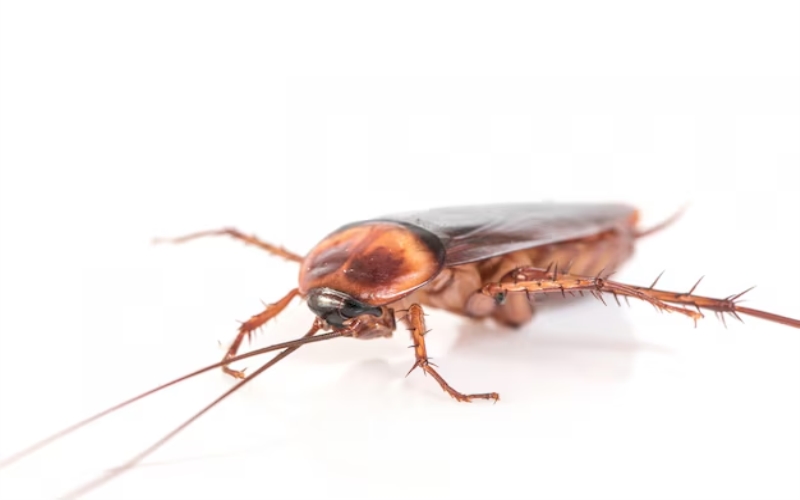
While seeing one live pest does not necessarily mean that there is an infestation, the presence of dead pests or shed skin should raise a number of red flags. These include cockroach exoskeletons, which are most commonly found near baseboards or in drawers. Dead insects in window sills or corners may indicate a larger, hidden population.
Such signs indicate an up-and-coming infestation since most pests die in areas where food or water is readily available.
7. Behavioral Changes in Pets
Your pets may detect the presence of pests long before you can. Pets may:
- Sniffling constantly in one area.
- Barking or pawing at walls or cupboards.
- Generally acting very agitated, particularly around dark or concealed areas.
Since pets make great detectors due to their keen senses, take their behavior seriously, as it may indicate a hidden pest problem.
Prevention Tips to Keep Pests Away
While detecting the signs of an infestation early is critical, it is far better to prevent it.
Here are some effective ways:
- Seal up cracks and gaps: Have a close look at your walls, both the interior and exterior surfaces, plus the foundation. Use caulk to seal up any openings around windows, doors, and plumbing fixtures.
- Keep it clean: Store food properly in airtight containers and promptly wipe up crumbs or spills.
- Have excess moisture removed: Leaks should be repaired, dehumidifiers should be used, and proper drainage should be ensured.
- Carry out regular checks: Storage areas, attics and basements should be checked every few months for early signs of infestation.
Conclusion
Knowing when bugs have invaded your home is no easy feat, considering they are shifty creatures that hide in cracks, crevices and under beds. However, there are a number of surefire signs telling you it’s time to make that phone call to an exterminator.
Droppings, strange smells, damage to the structure or nests can indicate pests. In cases beyond your control, trust professional solutions from Olson’s Pest Technicians. Prompt, efficient services ensure your home stays free of pests for peace of mind.
Pests are prolific when not curtailed; avoid making your home their playing field. Take immediate action to protect your property and well-being.


