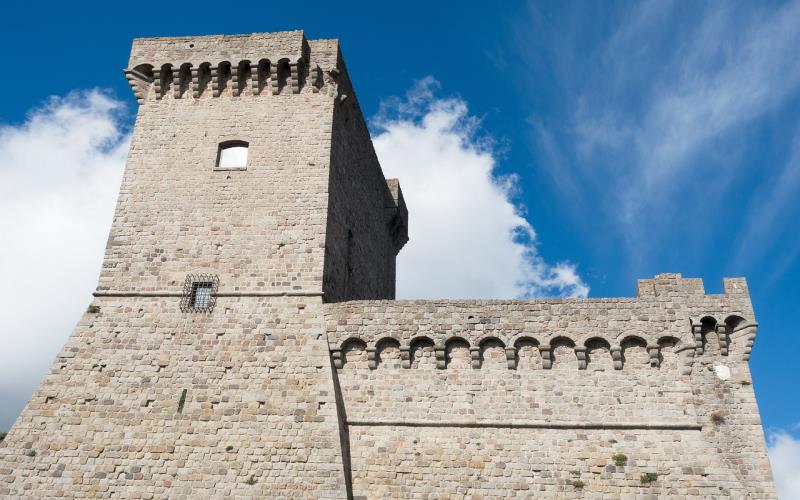
The Importance of Regular Parapet Inspections for NYC Buildings
New York City’s skyline, renowned for its architectural diversity and iconic structures, holds a distinct allure for residents and visitors alike. Amidst these towering marvels, one often overlooked yet crucial element is the parapet. Parapet walls, extending above the rooflines, serve not only as aesthetic features but also as vital safety barriers. Given their significance, regular parapet inspections are imperative for maintaining the structural integrity and safety of buildings in NYC.
Understanding Parapets
A parapet is a low wall that extends above the edge of a roof, balcony, or terrace. These structures can be purely decorative or serve essential functions such as:
- Preventing the spread of fire between buildings.
- Providing fall protection.
- Enhancing the building’s architectural design.
Why Regular Inspections Matter
1. Ensuring Public Safety
The primary purpose of regular parapet inspections is to ensure the safety of both building occupants and pedestrians. Over time, parapets can suffer from wear and tear due to weather conditions, age, and other environmental factors. Without routine inspections, undetected damage can lead to catastrophic failures, posing significant risks to public safety.
2. Compliance with Local Laws
New York City has stringent building codes and regulations in place to ensure the safety of its structures. Under Local Law 11/98, also known as the Façade Inspection and Safety Program (FISP), buildings taller than six stories are required to undergo a comprehensive inspection of their exterior walls and appurtenances, including parapets, every five years. Regular inspections help property owners stay compliant with these regulations, avoiding hefty fines and legal repercussions.
3. Early Detection of Issues
Regular inspections allow for the early detection of potential problems such as cracks, spalling, water infiltration, and mortar deterioration. Identifying these issues early on can prevent them from escalating into more severe and costly repairs. Proactive maintenance helps preserve the structural integrity of the building and extends its lifespan.
4. Cost Savings
While inspections and maintenance may seem like an added expense, they can lead to significant cost savings in the long run. Addressing minor issues promptly prevents them from developing into major structural failures that require extensive and expensive repairs. Regular maintenance also helps maintain the building’s value and aesthetics.
5. Preserving Architectural Integrity
Many buildings in NYC have historical and architectural significance. Regular parapet inspections and maintenance ensure that these structures retain their historical integrity while meeting modern safety standards. Preservation of architectural heritage is essential for the cultural and historical landscape of the city.
Common Parapet Issues
During inspections, several common issues may be identified, including:
- Cracks and spalling in masonry or concrete.
- Loose or missing bricks or stones.
- Deterioration of mortar joints.
- Rust or corrosion of metal components.
- Water infiltration and damage.
Steps for Property Owners
To ensure compliance with parapet inspection requirements and maintain building safety, property owners should:
- Hire Qualified Inspectors: Engage licensed professionals, such as engineers or architects, to conduct thorough inspections.
- Schedule Routine Inspections: Keep track of inspection cycles and ensure timely inspections as mandated by law.
- Address Identified Issues: Promptly address any problems identified in inspection reports to maintain safety and compliance.
- Maintain Documentation: Keep detailed records of inspections, reports, and repairs for future reference and verification.
Conclusion
Regular parapet inspections are not just a regulatory requirement but a critical aspect of building maintenance in New York state home inspection. By ensuring the structural integrity of parapets, property owners can safeguard public safety, comply with local laws, save on repair costs, and preserve the city’s architectural heritage. Proactive maintenance and inspections contribute to the longevity and beauty of New York City’s iconic skyline, benefiting all who live in and visit this vibrant metropolis.


