How Weather Affects Your Roof and What to Do About It
Key Takeaways:
- Weather elements like rain, wind, snow, and sun significantly affect roof integrity.
- Regular inspections and maintenance can minimize weather-related damage.
- Professional roofing services can provide expertise and solutions that enhance roof resilience.
Weather can be a formidable force, impacting everything from daily routines to structures. Our roofs, the homes’ first shield against the elements, bear the brunt of this exposure. Understanding how weather affects your roof and learning what to do about it ensures the durability and longevity of this critical feature of your home. This guide will walk you through the weather elements impacting roofing and give you actionable insights to protect your investment.
In addition to understanding how weather impacts your roof, it’s crucial to know where to find reliable roofing services when needed. If you’re in the Brighton area and require expert assistance, you can read more about local roofing solutions that can help protect your home from the elements. Whether it’s dealing with storm damage or routine maintenance, having a trusted professional can make all the difference in ensuring your roof remains in top condition throughout the year.
The Impact of Rain and Moisture
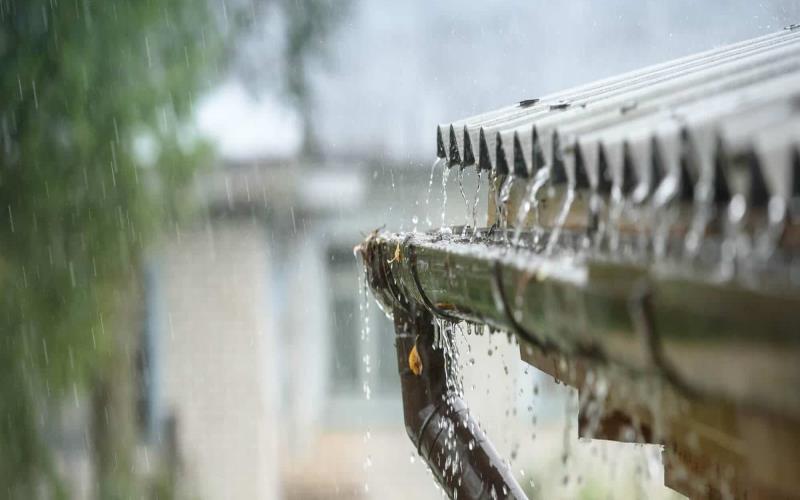
Among the most frequent causes of roof damage are moisture and rain. Long-term exposure to water can cause roofing materials to deteriorate, mold to grow, and leaks. Over time, this can compromise the roof’s structure, leading to costly repairs or replacements. It’s essential to ensure that your roof is adequately sealed and that gutters are unobstructed to prevent water from pooling. The benefits of professional home roofing services cannot be understated here; they can provide expert inspections to identify vulnerabilities and apply quality waterproofing measures, thus extending your roof’s lifespan.
The Effects of Wind on Roofs
Wind can cause significant damage, particularly during storms, when high-speed gusts can lift shingles or lead to tree limbs falling onto roofs. Repeated wind exposure can also loosen roof materials over time. Regular inspection is crucial after windstorms to catch and repair any damage. Reinforcing your roof with wind-resistant materials and fasteners can also mitigate future issues. If you need help with the best prevention strategies, professional roofing services can offer expert advice on materials that best withstand wind damage.
Snow and Ice: Winter Woes for Roofs
Winter roofing presents a unique set of difficulties. While melting snow can result in ice dams, heavy snowfall can cause structural strain and additional weight. Ice dams cause leaks by obstructing appropriate drainage. To avoid ice dams, it’s essential to keep your roof clear of deep snow and have adequate insulation in your attic. Professional roofing services can help you establish measures to improve your roof’s winter durability, including proper ventilation and insulation techniques that prevent ice build-up.
Sun Exposure and UV Damage
The sun’s rays can be deceptively damaging to roofs over time. Constant exposure to UV radiation leads to the fading of materials, making them brittle and prone to cracking. This damage might not be immediately visible, but it reduces the roof’s lifespan and effectiveness. Cool roof coatings can reflect more sunlight and reduce the heat absorbed, prolonging roof life. Regular maintenance and professional assessments help to repair and replace sun-damaged areas promptly, ensuring that the roof remains in good condition throughout its lifespan.
Temperature Fluctuations
Extreme temperature changes, such as hot days and cold nights, can cause roofing materials to expand and contract, leading to cracks and structural issues. These repeated cycles significantly influence roofs composed of materials like asphalt shingles. Having a regular inspection routine helps catch early signs of wear and prepares your roof for seasonal changes. Engaging professional home roofing services assures that any thermal stress is promptly addressed, often by applying flexible materials that adapt better to weather extremes.
Actionable Roof Maintenance Tips
Prevention is better than cure when it comes to roofing. Here are some actionable tips to help maintain your roof amid varying weather conditions:
- Regular Inspections: Schedule bi-annual inspections to spot early signs of wear or damage, especially after significant weather events.
- Tree Maintenance: Trim overhanging branches to prevent them from falling on or scratching your roof during windy conditions.
- Debris Clearance: Regularly clear leaves and debris from gutters and roof surfaces to promote proper water drainage.
- Professional Interventions: Use professional roofing services for inspections and repairs, ensuring high-quality, long-lasting solutions.
Conclusion: Ensuring Roof Resilience
A roof is one of the most significant investments in any home, and its health directly impacts the family’s safety and comfort. Weather can be harsh, but you can mitigate damage effectively by understanding how it affects your roof. A resilient roof requires timely repairs, appropriate maintenance, and routine inspections—often under the direction of qualified roofers. By being proactive, you can ensure that your roof can withstand the weather and keep your house safe for many years.


