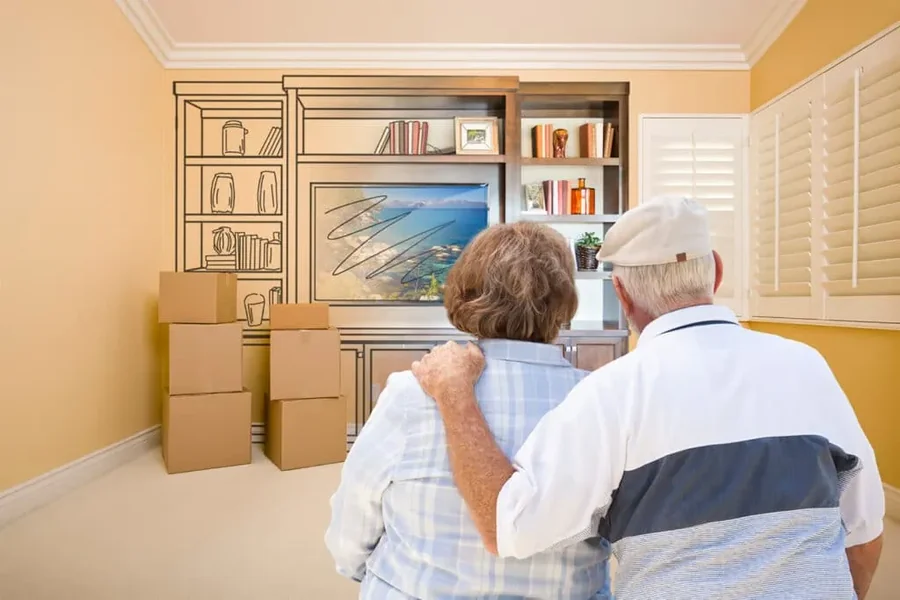
Seniors spend more time at home than many other age groups, so small domestic irritants can feel magnified. Whether living independently or in memory care facilities, this demographic often becomes the household’s early-warning system, sensing subtle stressors long before younger relatives do.
From droning appliances to shifting shadows, minor details can raise heart rates and erode calm. Understanding which hidden triggers seniors detect first helps families create spaces that promote comfort, safety, and peace of mind.
Persistent Background Noise
Low-level hums, beeps, and rattles that fade into the unconscious for younger ears can feel intrusive to seniors whose auditory processing changes. Refrigerators cycling, HVAC vents whistling, or chargers chirping at night create a soundtrack that chips away at serenity.
Because many seniors already guard precious sleep, each stray vibration may be interpreted as a call to action, nudging heartbeats into alert mode. Quiet-mark appliances, rubber pads under table legs, and routine maintenance together transform noise pollution into restful silence for seniors.
Clutter Creep and Trip Hazards
Stacks of unopened mail, cords coiled near the wall, and craft projects left mid-stride can quickly morph from mild annoyance to real danger for seniors whose balance or vision may fluctuate. The brain registers every obstacle and allocates cognitive energy to navigating pathways that should feel automatic.
That constant vigilance quietly elevates stress hormones, even when no stumble occurs. Thoughtful storage solutions, cord channels, and a weekly fifteen-minute tidy ritual allow floors to breathe, giving seniors the clear, confident routes they deserve.
Temperature Fluctuations and Drafts
A sudden chill from a drafty window or a heat surge near a sun-drenched glass door can jolt seniors into discomfort long before thermostats react. Circulation changes make small temperature swings feel dramatic, encouraging tense shoulders and shallow breaths that mimic anxiety.
When uncertain about indoor climate, seniors may layer clothes, alter hydration, and rehearse worst-case scenarios, all of which drain emotional reserves. Weather-stripping, programmable thermostats, and door draft stoppers restore steady warmth, letting seniors focus on hobbies rather than goosebumps.
Subtle Lighting Imbalances
Dim corners, glaring bulbs, and uneven daylight can quietly unsettle seniors, whose eyes require more illumination while remaining sensitive to glare. An open laptop on a dark table or a bare LED spotlight above a couch forces rapid pupil adjustments that exhaust aging ocular muscles.
Over time, that strain feels like stress, manifesting as headaches, tension, irritability, or cautious shuffling. Layered lighting—combining shaded task lamps, frosted bulbs, and motion-activated nightlights—evens out brightness, allowing seniors to move with ease and enjoy evening reading without squints.
Conclusion
By recognizing these hidden stressors and addressing them proactively, families foster environments where seniors feel at ease. A quieter, clearer, evenly lit home with stable temperatures does more than remove nuisances; it supports emotional balance, encourages independence, and affirms that every resident deserves surroundings as steady as their hard-won wisdom.