
Whether at home or in the classroom, a calming corner is an asset to children. It serves as a space to de-stress and unwind, and most importantly, it prevents temper tantrums. In a nutshell, these nifty areas are places you and your children can go to combat overwhelming emotions.
Think of these areas as contemporary versions of what we call time-out. They’re more inviting and focus on your child’s well-being. Instead of associating these areas with feelings of anxiety, your children will come to think of them as a place where they can relax and unwind.
In this guide, we list five ways to create the perfect calming corner. Read on to discover more.
1. Choose the Correct Area

Picking the right location for your calming corner is crucial. There’s little use placing it in an area with heavy foot traffic. Why? This will go against the zen you’re trying to create. The goal is to lessen feelings of stress by removing your child from an overwhelming situation. Choose a quiet space, away from the chaos of siblings, classmates, and noisy activities.
In addition to the area, decorate this space with calming colors. You can do this by looking into color psychology. This will help you to pick hues renowned for their calming effects. Avoiding anything going bright is crucial,
2. Create a Cozy Corner
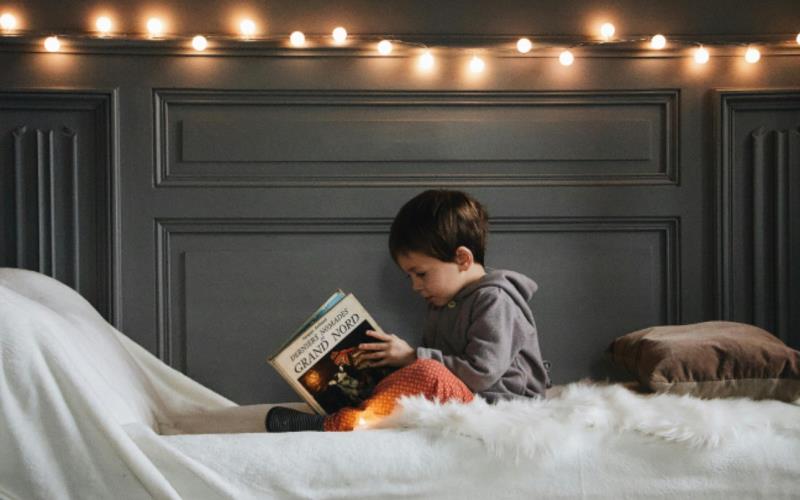
You need to create a space your child wants to use. This means creating a welcoming, cozy area. Fill this space with soothing blankets, pillows, bean bags, and tiny tents. Other items you can add include coloring books, reading material, posters, fairy lights, kinetic sand, or playdough.
Other accessories proven to calm children down include glitter jars, lava lamps, meditation prompts, sensory objects, and sound machines.
3. Add An Emotions Wall
As well as using this space as an area to take some time out, it’s crucial to encourage your children to identify their emotions. This will help them to understand why they are feeling a certain way. In addition, it will help them to cope with their feelings. One way to do this is to create an interactive wall with emotions pinned or velcroed. Ask your kids to pick the ones that they are feeling. You can help them to understand why or what they can do to calm them.
Children who can understand and manage their emotions are more likely to express them by speaking calmly and bounce back after feeling emotions like disappointment, frustration, or excitement, as well as control impulses.
Invite self-reflection. Add pencils, paper, and journals to this space, as well as prompts. These will help your child to express their emotions and thoughts. Some find it easier to write things down than they do to say out loud, especially children.
4. Don’t Make The Calm Corner a Punishment
Your child should view the calm corner as a space they enjoy visiting, not a punishment. If they see it as a form of punishment or you send them there when they’re misbehaving, this space won’t help them to convey their emotions, only suppress them.
You should use this space as an area to embrace social-emotional learning skills. It should be somewhere they can learn to take a moment of quiet or a deep breath before stepping back into the classroom or their home design life.
When encouraging your children to use this space, usher them there calmly. Explain to them why this space exists and what it is for. They should be able to comprehend that taking a break from the outside world is perfectly acceptable.
5. Consider Sound
Some children can become irritated by noise, especially when on the verge of a temper tantrum. This is when soothing sounds and noise-cancellation headphones come in. Compared to adults, children are more vulnerable to the effects of noise. Loud sounds can have harmful effects on children’s learning, behavior, and sleep. A calming corner should be a place your children can go to remove themselves from environmental noises and from other people, a safe space where they can escape for as much or as little time as they require.
In addition, encourage breathing techniques. This ensures focus, mindfulness, and calm. Both pinwheels and bubbles are effective, fun tools that help with this.
The Bottom Line
Life can get noisy sometimes, and unlike adults, children struggle to deal with noise. This is when a calming corner comes in. It’s a safe space where your kids (and you) can go to take a moment away from busy classrooms and overwhelming situations.
If you’re a parent or teacher who has decided to create this space at home or in the classroom, it’s imperative you know where to put your calming corner and what to put in it. This will make all the difference to whether it’s a success.
In addition, never use this space as a place to send your children when they’re being punished. It’s crucial your children know that this space is somewhere they can go when they need to calm down and reset — for more family-friendly home tips, visit sizeframe.