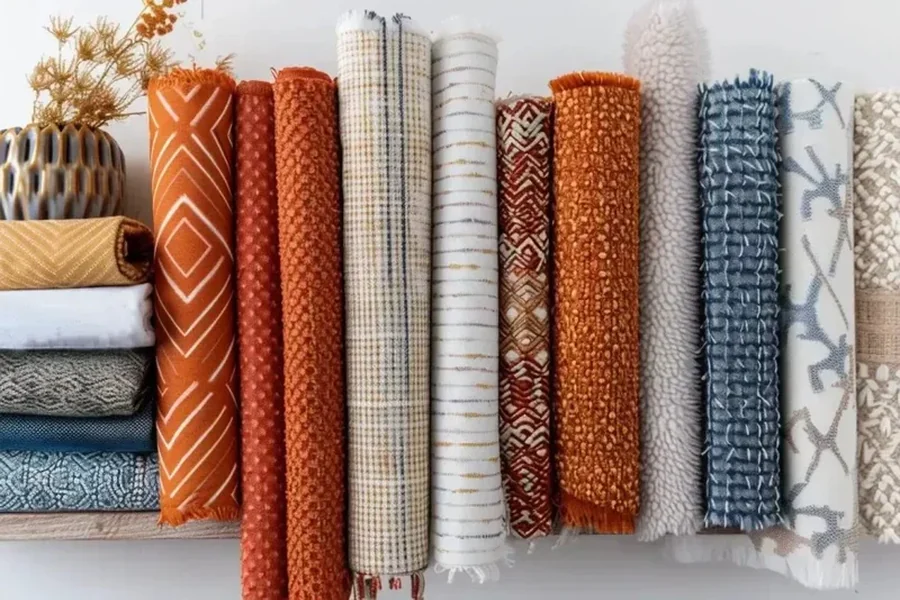
Explore A World of Colors and Patterns with Quilting Fabric Online
Quilting has always been about more than stitching fabric together. It’s a celebration of color, pattern, and personal expression. Thanks to the ease of shopping online, today’s quilters can browse an endless variety of fabrics without leaving home. From vibrant prints to timeless classics, the digital marketplace opens up a world of choices to inspire your next project. Whether you’re creating a bold statement piece or a cozy heirloom quilt, finding the right fabric online makes the process exciting, convenient, and full of creative possibilities.
Unlocking the Secrets of Color Theory in Quilting
The Emotional Impact of Color Choices
Quilting is not merely a craft; it is an exquisite blend of art and psychology where color choices play a monumental role. Understanding the emotional impact of colors can elevate your quilting projects, transforming mere fabrics into deeply resonant works of art. Different colors evoke various emotions and cultural associations, and exploring a wide range of quilting fabric online makes it even easier to find the perfect shades for your creative vision.
For example, warm colors like red, orange, and yellow are known to stimulate feelings of warmth, happiness, and excitement. They are often ideal for quilts intended for cozy spaces or cheerful atmospheres, such as children’s rooms or leisurely family gatherings.
On the other hand, cool colors such as blues, greens, and purples are frequently linked to tranquility, relaxation, and harmony. These shades can be perfect for creating quilts designed for bedrooms, meditation spaces, or any areas where a sense of calm is paramount. Additionally, neutral colors like whites, grays, and browns can serve as a grounding element in a quilt, providing balance and ensuring that brighter colors pop without overwhelming the viewer.
Choosing a monochromatic palette can create a soothing visual experience, while complementary colors often yield vibrant contrasts that energize a space. From a psychological perspective, incorporating colors that resonate with personal experiences can infuse quilts with individuality and meaning, allowing each piece to tell a unique story grounded in the creator’s personal narrative.
Combining Warm and Cool Hues for Stunning Effects
The interplay between warm and cool hues can yield surprising and captivating results in quilting. Utilizing a combination of these two distinct color temperatures not only highlights the beauty of the fabrics but also draws the eye across the entire quilt. A balanced mix, when done thoughtfully, can create a sense of motion and depth that keeps onlookers engaged in their viewing experience.
One effective strategy is to establish a dominant hue, either warm or cool, that serves as the backbone for your design. Following this, you can introduce the complementary palette of the opposite color temperature to enhance the vibrancy and layer complexity. For instance, integrating cool blues with warm yellows can mimic the warmth of sunlight reflected off a serene lake, serving as a beautiful representation of nature.
Additionally, the combination of warm and cool colors can create visual pathways, guiding the eye from one focal point to another across the quilt and allowing for a narrative to unfold. Quilters can experiment with different arrangements and gradients, often utilizing color wheels to understand how adjoining and opposite colors interact to produce diverse emotional effects. net worth
Historical Color Trends in Quilting Fabric
The history of quilting is rich with evolution and influence, where color trends often mirror broader cultural shifts. For instance, quilts from earlier centuries often utilized natural dyes sourced from plant materials, leading to a more muted and earth-toned palette reflective of the surrounding environment and available resources.
During the Victorian era, however, there was a rise in the popularity of vibrant hues made possible by the development of synthetic dyes, resulting in quilts that celebrated more flamboyant colors. This period marked the beginning of a dramatic transformation in fabric choices, reflecting society’s fascination with bright and bold expressions.
Fast forward to the mid-20th century: the Modern Quilting movement emerged, emphasizing bold geometric shapes combined with striking colors that helped many quilters break free from traditional patterns. The 1970s saw a revival of interest in folk art and ethnic patterns, leading to a resurgence in traditional quilting methods infused with contemporary palettes. Currently, many quilters are embracing a return to natural dyes and sustainable fabrics, aligning with broader eco-conscious movements.
Understanding historical color trends not only enriches the creative process but also allows quilters to make informed decisions about their fabric choices. By blending historical references with contemporary practices, creators can push the boundaries of quilting and engage in a meaningful dialogue between past and present artistic values.
Patterns That Tell a Story: The Art of Quilting Designs
Traditional vs. Modern Patterns: A Creative Dialogue
Quilting patterns serve as the backbone of any quilt design and offer a canvas to express creativity. Traditional patterns such as Log Cabin, Flying Geese, or Nine-Patch have been passed down through generations, embodying rich cultural narratives and craftsmanship. Each design tells a story, a marriage of history and artistry, with many patterns symbolizing personal or community experiences.
Contrasting with traditional styles are modern quilting patterns, characterized by their fresh designs and often minimalistic approaches. Modern quilters frequently experiment with unconventional shapes, asymmetry, and negative space, pushing the boundaries of what a quilt can be. The interaction between traditional and modern patterns creates a dialogue in quilting, where quilters today can blend techniques from both styles and explore diverse visual narratives.
This creative exchange inspires quilts that are not only aesthetically relevant but also imbued with personal meaning. Engaging with a variety of patterns can also influence the overall flow and movement within a quilt, inspiring deeper connections with their viewers.
Understanding Geometric and Organic Shapes in Quilting
The foundation of quilting design is rooted in the understanding of geometric and organic shapes. Geometric shapes, characterized by their structured and angular lines, offer clarity and precision in design, lending themselves well to the orderly and rhythmical arrangements typical of traditional quilting patterns. Triangles, squares, and circles can create visually engaging compositions that draw attention and create balance.
Organic shapes, on the other hand, are defined by their fluidity and natural curves, inviting spontaneity and creativity. Quilts incorporating organic shapes often tell stories rooted in nature or personal experiences, instilling a sense of warmth and comfort. The juxtaposition of geometric and organic shapes can produce stunning visual contrasts, enhancing both elements by showcasing their unique qualities.
Textures and Their Influence on Patterns
The choice of fabric textures can profoundly influence how patterns are perceived in quilting. Textiles come in many textures, from smooth to coarse, each affecting the overall impact and appeal of a quilt. For instance, a densely woven cotton can lend a quilt a firm structure and sharpness, which enhances the clarity of geometric patterns. Alternatively, softer fabrics like flannel can soften the lines of a quilt, creating a more cohesive and comforting design.
Different textures can also create intriguing visual dialogue within a quilt. For example, combining various textiles such as linen with satin can bring an additional layer of depth and contrast. Quilters can strategically select textures to highlight different elements of their designs, allowing for a multi-dimensional experience that keeps onlookers captivated.
A Guide to Sustainable Quilting: Fabric Choices for Eco-Conscious Creators
The Rise of Organic and Recycled Fabrics
Sustainability in quilting has gained momentum, driven by a growing awareness of environmental impacts within the textile industry. The use of organic and recycled fabrics represents a conscious choice to reduce ecological harm while encouraging creativity.
Organic fabrics, produced without harmful chemicals and synthetic fertilizers, not only protect ecosystems but also result in softer and more breathable textiles. Many quilters are now seeking organic cotton, bamboo, and hemp fabrics that reflect their commitment to sustainability without sacrificing quality or aesthetics.
Recycled fabrics present an effective way for quilters to contribute to waste reduction. By repurposing discarded textiles, quilters can create stunning, one-of-a-kind quilts while reducing the environmental impact associated with traditional fabric production. This approach encourages creativity and resourcefulness, leading to unique designs that celebrate both renewal and responsibility.
Supporting Local Artisans and Fair Trade Practices
Supporting local artisans and fair trade practices is an important aspect of sustainable quilting that strengthens community engagement and economic empowerment. By sourcing fabrics from local makers, quilters not only ensure high standards of craftsmanship but also help preserve traditional techniques and styles.
Fair Trade practices prioritize ethical labor standards, equitable wages, and sustainable production methods. Quilters who purchase fabrics through these channels ensure artisans receive fair compensation and work in safe conditions. This has a positive impact on individuals and communities and encourages a renewed commitment to nurturing quilting as both craft and cultural tradition.
Techniques for Reducing Waste in Your Quilting Projects
Reducing waste in quilting projects may sound challenging, but with a few simple techniques, quilters can create beautiful works of art while being eco-conscious. One effective approach is “Scrappy Quilting,” which emphasizes using leftover fabric scraps from previous projects. Rather than discarding remnants, quilters can transform them into vibrant quilts that showcase creativity and resourcefulness.
Precision cutting is another technique that minimizes fabric waste. By carefully planning patterns and using tools like rotary cutters and rulers, quilters can make the most of their fabric. Foundation piecing is also effective, as it allows intricate designs with minimal waste.
Additionally, upcycling vintage quilts offers the opportunity to honor the past while crafting new pieces. This practice breathes new life into older textiles, creating meaningful designs where history and modernity intersect.
Curating Your Quilting Fabric Collection: Tips from the Pros
Building a Color Palette That Speaks to You
Creating a cohesive color palette is at the heart of a beautiful quilt. Start by considering your personal preferences and how certain colors connect with your emotions and experiences. A color wheel can serve as a helpful guide in selecting harmonious hues. Experimenting with analogous colors for a serene look or complementary colors for striking contrasts can make your designs shine.
Think about the purpose of your quilt as well. Earthy tones may evoke calmness for a meditation quilt, while bright, playful hues may reflect joy for a child’s room. Integrating different shades of one color can create depth and interest, while neutrals provide balance and space for bold tones to stand out.
Tools and Resources for Online Fabric Shopping
Shopping for fabric online can feel overwhelming due to the sheer number of options, but using a few strategies can make the process smoother. Reliable online stores that provide swatches or detailed photographs can help quilters make better choices. User reviews and testimonials are also valuable in gauging fabric quality.
Using website filters to search by color, texture, or type can save time. Creating collections or wish lists helps track favorite fabrics for future projects. Online quilting blogs, forums, and social media groups can also provide insights, recommendations, and inspiration. Platforms like Instagram and Pinterest are particularly useful for exploring trends and visual examples of fabrics in action.
How to Store and Organize Your Fabric Stash
Successfully curating a fabric collection is just the beginning; effective storage and organization are crucial for a functional workspace. Many quilters organize fabrics by color, which makes it easier to locate materials quickly. Clear plastic bins protect fabrics from dust and sun damage while allowing visibility.
Labeling shelves or drawers by type or project idea is another effective method. Rolling fabric bolts instead of folding them prevents creases and keeps them in good condition. Fabric swatches stored in a binder can also provide quick reference during planning.
Maintaining an inventory with purchase dates or project notes helps track usage and keeps your stash current. Regular updates to your collection ensure it reflects your evolving tastes. A well-organized fabric stash not only keeps your space tidy but also sparks creativity every time you begin a new project, especially when guided by tips from the Ultimate Branding Course.


