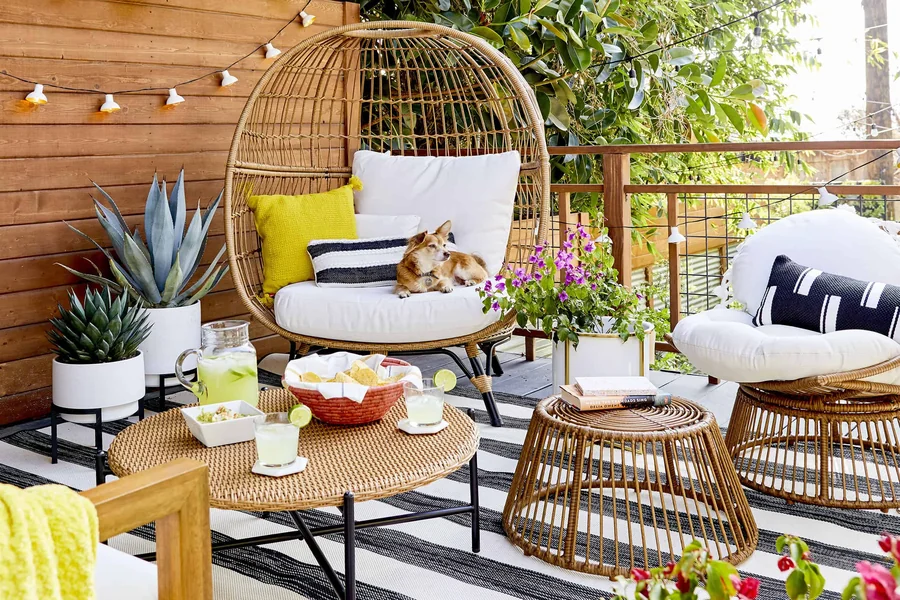
Bringing Outdoor Spaces To Life
Creating inviting and functional outdoor spaces has become a priority for many businesses, from restaurants and hotels to community centres and offices. Outdoor areas offer a chance to extend usable space, encourage social interaction and provide a refreshing environment for customers and employees alike. Among the many factors that influence the success of these spaces, selecting the right dining tables is a fundamental yet often overlooked element. The choice of commercial outdoor dining tables can significantly impact comfort, durability and overall atmosphere, ultimately contributing to the space’s usability and appeal.
The Importance of Durable Commercial Outdoor Dining Tables
For businesses looking to furnish outdoor seating areas, commercial-grade dining tables are essential. Unlike residential furniture, commercial outdoor dining tables are specifically designed to withstand the rigours of frequent use and changing weather conditions. Materials like treated wood, aluminium and powder-coated steel are commonly used to resist rust, fading and damage from exposure to sun and rain.
Durability is not just about longevity, it also affects maintenance and safety. A well-chosen table will require minimal upkeep, freeing staff to focus on customer service rather than constant repairs. Additionally, sturdy tables reduce the risk of accidents caused by instability or wear, providing peace of mind for both the business and its patrons.
Beyond durability, the design of commercial outdoor dining tables plays a role in enhancing the aesthetic of a space. Sleek, modern designs can complement contemporary venues, while classic wooden tables suit rustic or traditional settings. The ability to match the table style to the business’s brand identity helps create a cohesive and welcoming atmosphere.
Enhancing Customer Experience Through Thoughtful Layouts
The arrangement of dining tables in outdoor spaces influences how guests interact and how comfortable they feel. Spacing should allow for easy movement and privacy without sacrificing social connection. Commercial outdoor dining tables are often available in various sizes and shapes, from intimate two-seaters to large communal tables, allowing businesses to adapt their layouts to suit different occasions and group sizes.
Consideration of accessibility is also crucial. Tables should accommodate customers with mobility needs, ensuring everyone can enjoy the outdoor area comfortably. Choosing adjustable or modular tables can provide flexibility for different events, from casual lunches to formal dinners.
Well-designed outdoor dining areas encourage longer visits and repeat business. When guests feel comfortable and relaxed, they are more likely to return and recommend the venue to others. Investing in the right tables is therefore an investment in customer satisfaction and loyalty.
Supporting Physical Activity with Sporting Equipment
Outdoor spaces serve many functions beyond dining, and businesses that provide facilities for physical activity can further enhance the value of these areas. Incorporating sporting equipment such as basketball hoops, badminton nets or outdoor gym installations can transform an otherwise idle space into a vibrant hub of activity and health.
For community centres, schools and workplaces, sporting equipment encourages exercise and social engagement. Physical activity has well-documented benefits for mental and physical health, which in turn can improve morale and productivity. Outdoor areas equipped with sporting options provide a break from the indoors and screen time, promoting a balanced lifestyle.
Even hospitality venues can benefit from offering recreational sporting equipment to attract families and groups looking for a full day of leisure. These features make the venue more versatile and memorable, standing out in a competitive market.
Integrating Outdoor Dining with Recreational Spaces
Bringing together dining and sporting opportunities requires thoughtful planning to ensure both coexist harmoniously. The right placement of commercial outdoor dining tables allows guests to enjoy meals without interference from active areas, while still feeling connected to the lively environment.
For example, positioning tables near but not directly within sports zones can provide clear sightlines for supervising children or participants without exposing diners to excessive noise or dust. Durable, easy-to-clean dining tables are ideal in such settings, as they can withstand occasional contact with outdoor elements linked to sporting activities.
Furthermore, combining dining and recreational functions supports community building. Outdoor spaces that cater to a variety of needs—from eating to playing—attract a diverse range of users and extend usage times throughout the day.


