Why Brown Is the New Black When It Comes to Mens Formal Footwear as Oswin Hyde Leads a Style Shift in the UK
The moment you step into a room, the details of your attire speak before you do. For decades, black shoes were seen as the default for formal dressing in Britain, a safe choice for offices, weddings, and other refined occasions. Yet over time, a quiet style revolution has taken place. Men are beginning to embrace brown shoes for men, recognising that this subtle shift offers versatility, personality, and a fresh take on traditional formalwear. It is a move that reflects not just fashion, but confidence and a willingness to stand out with understated elegance.
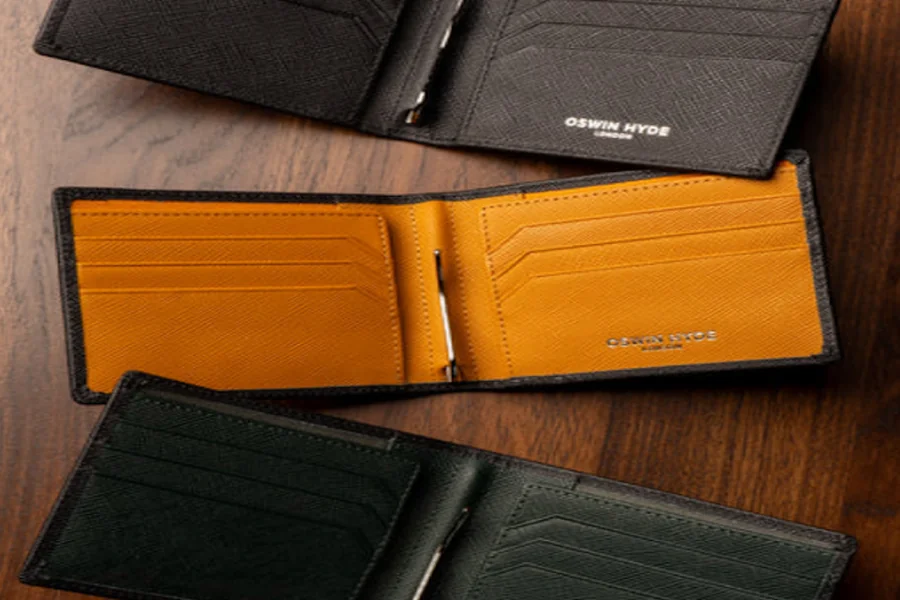
What makes this trend particularly fascinating is that it is rooted in history, craftsmanship, and practicality. Once considered unconventional, brown shoes have become a staple in the wardrobes of men who understand that classic style is about balance, not conformity. Alongside footwear, the careful selection of accessories, such as a leather passport holder or a leather billfold wallet mens design, adds cohesion and demonstrates thoughtfulness in dressing.
Key Takeaways
- Brown shoes are versatile, pairing effortlessly with a range of tailoring and casual styles
- Choosing quality footwear elevates the overall look of any outfit
- Accessories like a leather passport holder or leather billfold wallet mens contribute to a polished appearance
- Mens wallet designer pieces signal refinement and attention to detail
- Understanding the history of footwear enriches personal style choices
The Origins of a Classic
The story of brown shoes in Britain begins in the early 19th century. Originally, formal footwear was dominated by black leather, a colour associated with authority, formality, and uniformity. However, brown shoes first emerged as practical outdoor options, often crafted for countryside wear. They were softer, more flexible, and naturally developed hues that complemented the muted tones of tweed and wool commonly worn outside urban centres.
Cobblers and shoemakers in London and the surrounding counties began experimenting with shades of tan, chestnut, and mahogany. These early designs were still structured and polished, but the colour offered warmth and approachability. Over time, brown shoes transitioned from outdoor wear into city life, slowly gaining recognition as an acceptable and even stylish choice for formal occasions.
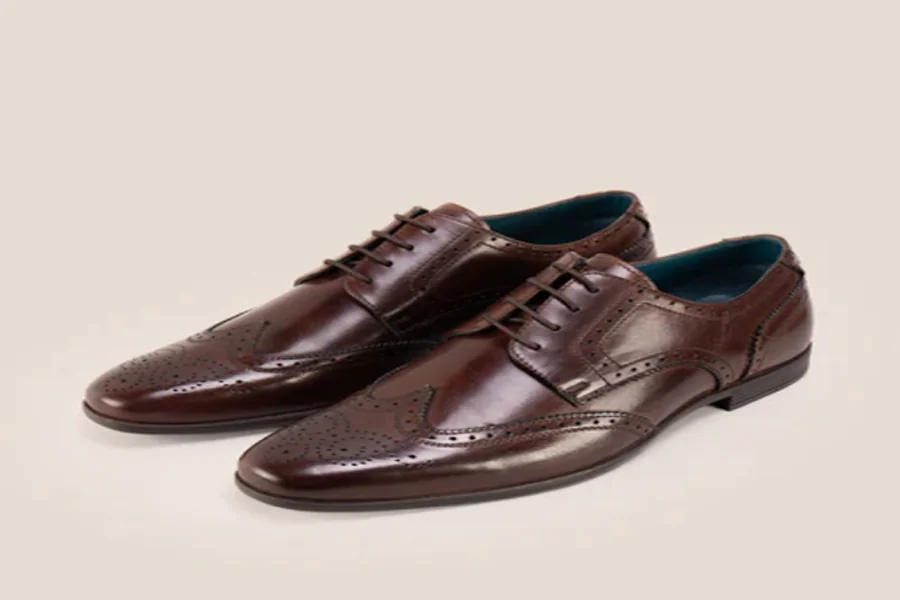
The perforations, stitching details, and slightly lighter tones gave the shoes a character absent in rigid black leather designs. They became more than practical footwear; they were a statement of taste and individuality.
Gaining Popularity Across Britain
By the late 19th and early 20th centuries, brown shoes began appearing in professional circles. Men who frequented clubs, social events, and offices started to see their appeal. The colour allowed more flexibility in matching with ties, waistcoats, and patterned fabrics, which were becoming popular in mens fashion.
This shift was aided by cultural icons who wore brown footwear with confidence. Actors, politicians, and writers were photographed pairing brown shoes with sharp suits, demonstrating that formal dressing did not need to be monotonous. Retailers responded by expanding their collections, offering multiple shades and finishes to suit the discerning gentleman.
The modern era has cemented brown shoes for men as a symbol of style intelligence. From boardrooms to weekend gatherings, these shoes convey sophistication without rigidity.
Cultural Influence and Lasting Appeal
The cultural impact of brown shoes is subtle but significant. Unlike black shoes, which often feel formal or even austere, brown footwear communicates approachability and attention to detail. It signals that the wearer understands tradition but is willing to embrace individuality.
Brown shoes also serve as a gateway for exploring complementary accessories. Items like a mens wallet designer piece or a leather passport holder naturally pair with brown tones, creating harmony across the outfit. The combination of quality shoes and thoughtfully chosen accessories has become a hallmark of modern British menswear.
Culturally, the shoes embody balance. They are conservative enough for formal occasions but flexible enough for creative or semi casual settings. This adaptability contributes to their enduring appeal.
How Brown Shoes Fit Into Modern Fashion
Today, brown shoes are integral to contemporary menswear, including Boots male styles and tailored casual combinations. The colour palette has expanded, ranging from deep chocolate to lighter caramel shades, allowing men to match shoes with a wider variety of fabrics and patterns.
Modern dressing emphasises versatility. A single pair of brown shoes can move seamlessly from office attire to evening events, reducing the need for multiple formal footwear options. Paired with chinos, wool trousers, or even darker denim, these shoes enhance outfits without overpowering them.
Attention to quality remains critical. Investing in well crafted shoes ensures longevity and maintains the polished look that separates a thoughtful wardrobe from a rushed ensemble. Accessories continue to play a supporting role, whether through a leather billfold wallet mens design tucked neatly into a pocket or a leather passport holder that travels with confidence. These details complete the visual narrative, showing that style is intentional.
The Subtle Shift in Mens Style
The movement towards brown shoes reflects a broader change in British fashion. Men are now more willing to experiment with colour and texture while adhering to principles of smart dressing. The trend is not about flamboyance; it is about subtlety, thoughtfulness, and authenticity.
Even within traditional settings, brown shoes allow for creativity. A pair of polished oxford brown shoes complements a navy suit just as well as black, adding warmth and personality. It is a reminder that elegance is not only about colour coordination but about understanding how each element interacts.
The shift also highlights the importance of accessories. A well chosen mens wallet designer piece or leather passport holder reinforces the outfit and demonstrates an understanding of cohesive styling. These items, while often understated, carry the same weight as footwear in defining personal style.
Summarising the Journey
Brown shoes for men have travelled a remarkable path. From practical outdoor use to refined city wear, from cautious experimentation to mainstream acceptance, they have earned a permanent place in British wardrobes. They represent versatility, taste, and a willingness to embrace style without sacrificing professionalism.
Their enduring appeal is due in part to the balance they strike between tradition and modernity. They respect heritage while remaining relevant to contemporary dressing, allowing men to feel confident and put together in any setting.
Conclusion
The rise of brown shoes demonstrates that smart dressing is as much about understanding nuance as it is about following trends. They show that subtlety, versatility, and attention to detail can elevate an outfit more effectively than simply adhering to conventional rules. Accessories like a leather billfold wallet mens or a leather passport holder complement this approach, creating a cohesive and thoughtful wardrobe.
As men continue to embrace this shift, brands like Oswin Hyde are leading the way, offering footwear and accessories that combine heritage craftsmanship with contemporary style. In doing so, they reaffirm that brown is not just an alternative to black, but a statement in itself—a quiet but unmistakable symbol of confidence, taste, and enduring British elegance.