Water damage in a rental property can be a costly and stressful situation for any landlord. Not only can it disrupt the lives of tenants, but it also poses a risk to the property’s structural integrity and your finances. Acting swiftly and knowing the steps to handle water damage can make a significant difference in how well and quickly the property recovers. This guide will walk you through the essential steps to handle water damage efficiently, protect your investment, and maintain good tenant relations throughout the process.
1. Recognizing the Signs of Water Damage Early
Detecting water damage early on is crucial to minimizing the extent of the damage. Familiarize yourself with common indicators like discoloration on walls or ceilings, warping of floors, a musty smell, or peeling paint. Encourage tenants to report any signs of leaks, standing water, or dampness as soon as they appear. Setting up a routine inspection plan, especially in areas prone to water exposure like basements, kitchens, and bathrooms, can help catch small problems before they escalate into major repairs.
2. Documenting the Damage for Insurance and Records
Once water damage is discovered, document it thoroughly. Take clear, detailed photos and videos of all affected areas, including close-ups of water stains, structural damage, and any impacted belongings. Not only is this essential for your insurance claim, but having a comprehensive record can help when assessing repair needs. Maintain a written log of all communications, repair invoices, and any actions taken to address the problem. These records protect you from liability, provide evidence for insurance claims, and establish a timeline for the damage and repair efforts.
3. Contacting the Appropriate Professionals
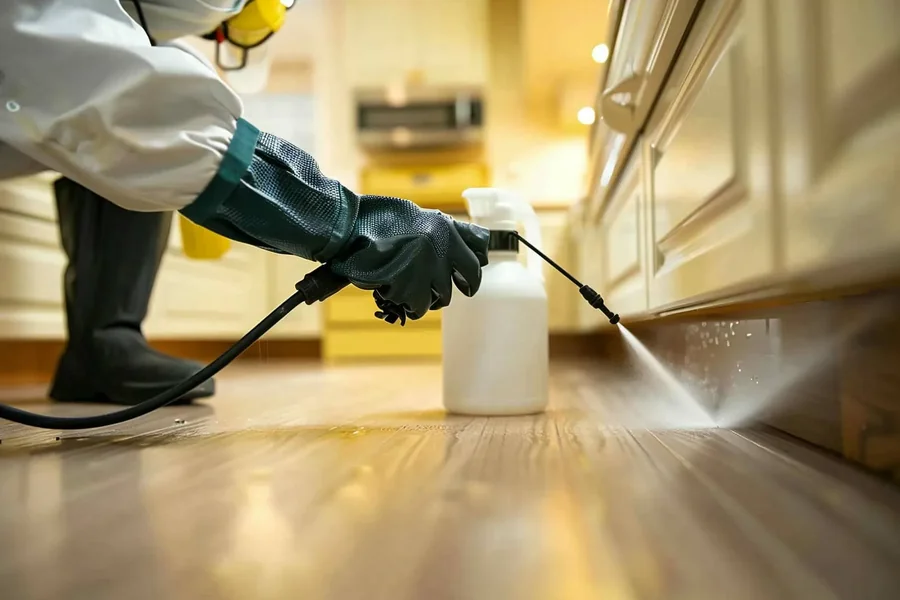
Depending on the severity of the water damage, you may need the assistance of various professionals. Contact a licensed plumber if the damage is due to plumbing issues. For more extensive damage, reach out to a water damage restoration service that can provide water extraction, drying, and dehumidification services. If the damage involves mold, seek a mold remediation specialist to prevent health risks to tenants. Keep a reliable network of professionals on call, so you’re prepared to respond quickly.
4. Assessing and Addressing Immediate Safety Concerns
Safety should be your top priority in any water damage situation. If there is standing water, turn off the property’s electricity in affected areas to avoid electrical hazards. Avoid walking on wet floors, especially in areas where they might be unstable due to water saturation. Ensure tenants are aware of potential safety issues and provide guidance on what to avoid. In severe cases where structural integrity is compromised, it may be necessary to temporarily relocate tenants until the property is safe again.
5. Understanding the Cause of the Water Damage
Identifying the root cause of water damage is essential to prevent it from happening again. The damage could stem from weather-related incidents like floods or leaks from aging roofs. Alternatively, it could result from plumbing issues such as a broken pipe, leaky appliance, or clogged drainage. Working with professionals to understand the underlying cause can ensure that the repair process addresses both immediate concerns and potential future risks. Knowing the cause also helps with your insurance claims, as some policies cover specific types of damage.
6. Mitigating Further Damage: Quick Fixes and Preventative Measures
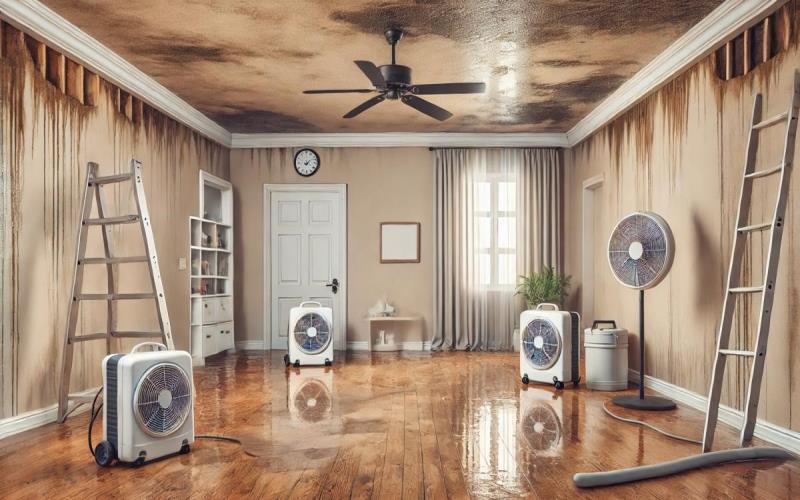
While waiting for professional repairs, take steps to mitigate further damage. If safe to do so, extract standing water with a wet vacuum or mop, ventilate the area with fans, and use dehumidifiers to reduce moisture. In cases of leaks, try temporary fixes like patching pipes or using water-absorbing materials to stop the flow. Implement preventative measures by checking for similar vulnerabilities around the property, such as sealing windows, inspecting drainage, and securing loose roofing materials to reduce future risks.
7. Communicating with Tenants About the Damage and Repair Timeline
Clear communication with your tenants is essential in managing water damage effectively. Inform them of the damage, the steps being taken, and any anticipated disruptions to their daily lives. Set realistic timelines for repairs, and keep them updated if anything changes. Provide information on health and safety concerns, such as potential mold growth. Effective communication not only eases tenant concerns but also helps maintain a good relationship by demonstrating that you prioritize their comfort and well-being.
8. Working with Insurance for Damage Coverage
Insurance can significantly ease the financial burden of water damage repairs. Contact your insurer as soon as possible to report the damage, and provide them with your documentation. Ask about the coverage details for the type of damage sustained; some policies may only cover specific kinds of water damage, like storm-related flooding or plumbing issues. Be proactive in understanding your policy and any deductibles, and be prepared to work with an adjuster who may assess the property in person. Having all documentation ready can streamline the process.
9. Implementing Long-Term Repairs and Improvements
Once the immediate damage is addressed, consider making improvements to prevent future water damage. For example, you might upgrade plumbing fixtures, reinforce the property’s foundation, or install a more effective drainage system. If the damage was weather-related, adding stormproofing measures, such as sealing cracks and installing weather-resistant windows, could be beneficial. While these long-term solutions may require additional investment, they can ultimately reduce repair costs over time and add value to your property.
Conclusion
Dealing with water damage in a rental property is never easy, but taking the right steps can minimize both the damage and the disruption to your tenants. By acting quickly, documenting thoroughly, and working with the right professionals, you can handle water damage effectively and protect your investment. Remember, ongoing maintenance and improvements can prevent future incidents and ensure that your rental property remains a safe and comfortable place for your tenants.