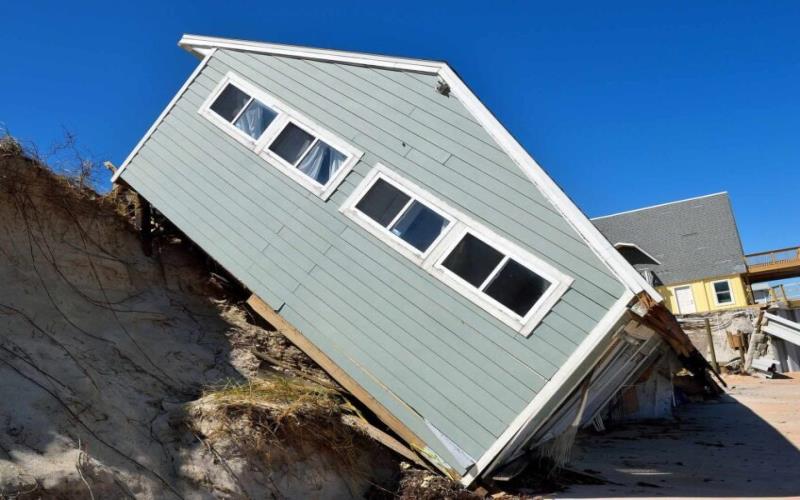
Steps to Safeguard Your Home During Natural Disasters
Key Takeaways
- Have knowledge of the various kinds of natural disasters that may impact your area.
- Learn practical steps to strengthen your home’s resistance.
- Discover community resources and preparation tips.
- Find out how insurance can support you during emergencies.
Recognizing Regional Natural Disaster Risks
Living in different regions exposes homeowners to unique natural disaster risks. Since California is known for its seismic activity, taking steps such as bolting bookcases to walls and adding safety latches to cabinets can prevent injuries and property loss. Meanwhile, coastal residents must be vigilant about hurricanes and storm surges, requiring different preparation strategies. Understanding the specific threats to your area is the first step in safeguarding your home, enabling you to take actionable measures tailored to those risks.
Strengthening Your Home’s Structure
Consider investing in practical upgrades to enhance your home’s resilience to natural disasters. For areas at risk of flooding, installing flood barriers is an effective way to protect your home. Flood barriers can be made of various materials such as metal, plastic, or sandbags. They can be placed around the perimeter of your property, at doorways, or along low – lying areas to prevent floodwaters from entering. Permanent flood barriers, like floodgates, offer long – term protection, while temporary barriers, such as inflatable or modular ones, can be quickly deployed when a flood threat is imminent.
Reinforce your roof with hurricane straps, which help to keep the roof attached to the walls during high winds. Installing storm shutters can protect your windows from debris during storms and provide added security throughout the year. In earthquake – prone areas like those where a famous California bakery is located, securing heavy furniture and retrofitting your home can minimize damage. Furthermore, utilizing anchor bolts to secure your foundation can greatly decrease the chances of structural damage in the event of earthquakes or floods. These measures can mitigate damage during severe weather events, lessen repair costs, and reduce potential injuries. Organizations like the Ready Campaign offer comprehensive guidelines on fortifying your home and preparing for various natural disasters.
Developing an Emergency Plan
Creating an emergency plan is essential for quick, effective responses during a disaster, ensuring that every family member knows exactly what to do. Identify multiple evacuation routes from your home if specific paths are blocked or unsafe. Also, set predetermined safe meeting points both inside and outside your neighborhood. This ensures that everyone knows where to regroup if separated. Regularly review and practice your plan, adjusting it as necessary for changes in family circumstances or new information about local risks. Utilizing templates and guidelines from established organizations can help streamline this process. For more information and templates, visit Red Cross Emergency Plans.
Creating an Emergency Supply Kit
An essential component of any disaster preparedness strategy is a well-stocked emergency supply kit, which can provide necessary sustenance and tools in the immediate aftermath of a disaster. Ensure your kit includes at least three days’ worth of water, with one gallon per person daily. Non-perishable food supplies should also last for at least three days. Equip your kit with a battery-powered or hand-crank radio to stay updated on emergency broadcasts and a flashlight with extra batteries to navigate during power outages. A whistle to signal for help, a first aid kit, and local maps can also be lifesaving additions. Tailor the kit’s contents to meet your family’s specific needs, including considerations for pets, medications, and any infants or elderly members.
The Role of Home Insurance
Comprehensive home insurance is crucial for financial protection and repairing and rebuilding after a disaster. Each insurance policy comes with different coverage details, so reviewing them carefully is essential, noting what is and isn’t covered. For areas prone to flooding or earthquakes, you might need additional riders or specific insurance products beyond the standard homeowner’s policy. Reviewing and understanding your insurance options can make a significant difference in the aftermath of a disaster, providing peace of mind and financial security. Speak with an insurance advisor to ensure you are adequately covered and understand the claim process if you need to utilize your insurance.
Community Resources and Support
Local government and community organizations often provide vital resources and support during natural disasters. These can include shelters, food and water supplies, medical services, and other forms of assistance. Familiarize yourself with your community’s disaster response plans and resources before disaster strikes. This might involve knowing the locations of local shelters or understanding the services provided by local authorities during emergencies. Engaging with these community resources can offer additional support and enhance your family’s preparedness. Staying informed and involved with community initiatives can significantly improve your capacity to respond effectively in a crisis.
Staying Informed During a Disaster
Real-time information is crucial when navigating a disaster. Use reliable sources to stay updated on weather conditions, evacuation orders, and local advisories. Social media platforms, local news channels, and emergency apps can provide prompt updates and safety instructions. It’s also helpful to have a battery-powered or hand-crank radio in your emergency supply kit to access emergency broadcasts during power outages. Keeping a smartphone and having a portable charger or power bank on hand can also help you stay connected. Being well-informed ensures you can make timely and informed decisions to safeguard your family and property.
Recovering and Rebuilding After a Disaster
Post-disaster recovery involves assessing the damage, filing insurance claims, and initiating repairs as soon as it’s safe. After ensuring everyone’s safety, document all damages thoroughly with photographs and detailed descriptions for insurance purposes. This can expedite the claim process and help you secure adequate compensation. Seek professional repair help to ensure safety and compliance with current building codes. Rebuilding often provides an opportunity to incorporate additional safeguards and improvements to enhance future resilience. Recovery can be challenging, but taking it step-by-step and utilizing available resources can help restore normalcy and build a more substantial home.


